Dance as a living bond
For Sonia, dance is not merely an artistic discipline. It is a space for creativity, for living together and for recognising others.
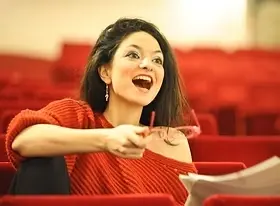
A dance teacher for over twenty years, she trained in Latin and modern dance before gradually broadening her horizons. Today, she sees dance as a practical tool for bringing together and supporting vulnerable groups.
As part of the Quand on Danse programme, she works in particular in residential care homes for the elderly. The movements are sometimes slower and the bodies more fragile, but dance remains a moment of joy and connection.
Working with these groups requires specific preparation. Sonia makes this point quite clearly:
“You can’t just improvise being an inclusive dance teacher. You need to be trained, understand the participants, and adapt your approach.”
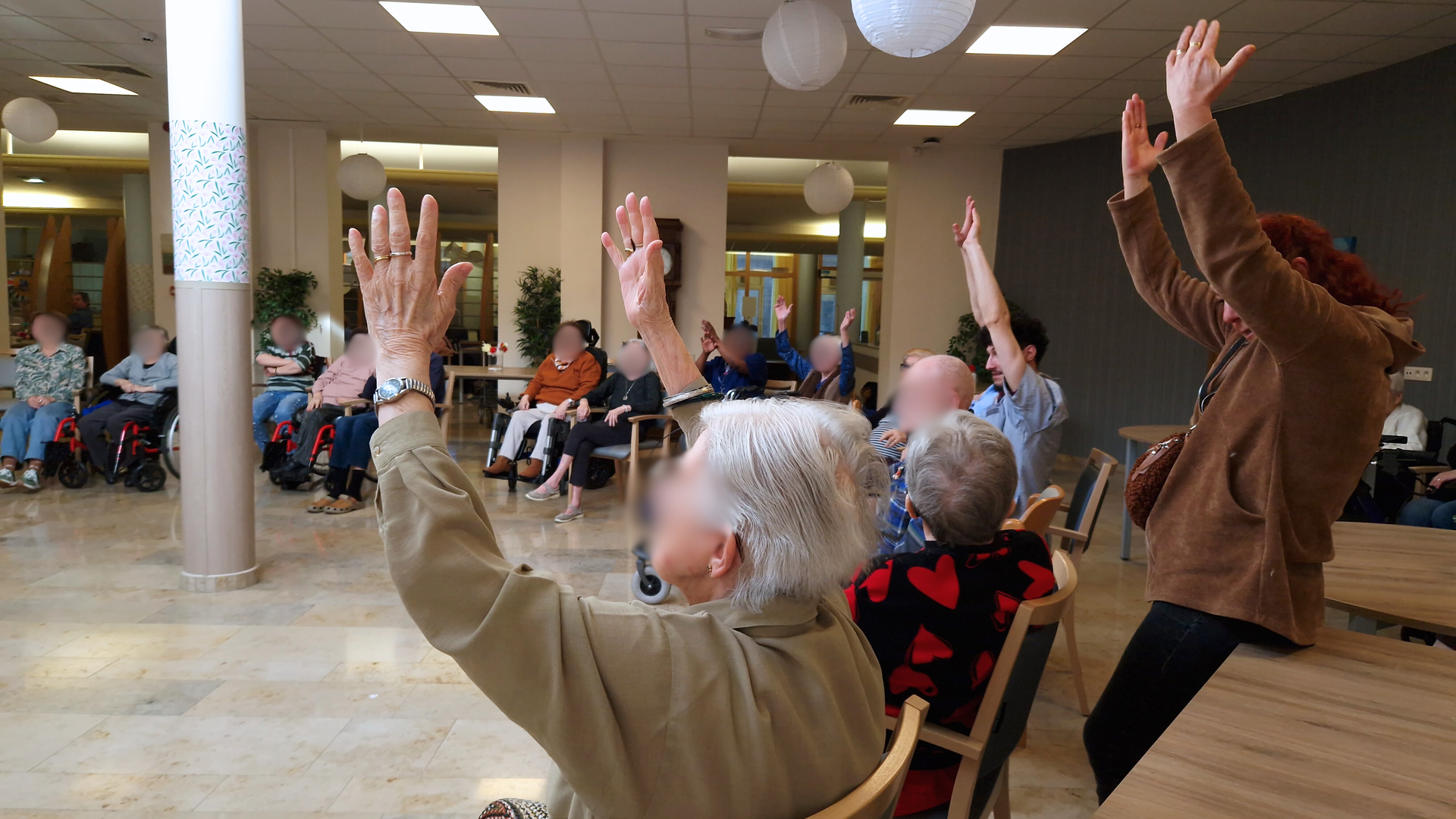
It was through Quand on Danse that she trained in inclusive and adapted dance. For her, this training is essential for any professional wishing to open up their practice to people who are often excluded from dance.
Because certain groups are all too often sidelined: the elderly, people with disabilities, those affected by illness...
“These are people we tend to forget because we don’t necessarily see them on the street corner. And yet, they are an integral part of our society.”
Beyond the human commitment, the benefits of dance are well documented. Neuroscience research confirms its positive effects on the body and the brain, particularly in relation to degenerative diseases.
Sonia therefore continues to work, workshop after workshop, with a clear conviction: dance has a role to play in well-being and inclusion.